
What is thunderstorm asthma?
Every spring, grass pollen brings a rise in hay fever and asthma symptoms across Victoria, including Ballarat and the surrounding Western District grasslands. Thunderstorm asthma is thought to happen when high grass pollen levels combine with a particular type of thunderstorm. Pollen grains are swept up by the wind, and some burst into tiny particles that are concentrated in the gusts just before a storm. These particles are small enough to be breathed deep into the lungs and can quickly trigger asthma symptoms, even in people who have never had asthma before.
Epidemic thunderstorm asthma events are uncommon and don’t happen every year. The largest recorded event happened in Victoria in November 2016, which is why the state now issues forecasts during pollen season.
When is grass pollen season?
In Victoria, the grass pollen season usually runs from 1 October to 31 December. During this time the epidemic thunderstorm asthma forecast is published on the VicEmergency website and app.
Who is at risk?
- people with current asthma, especially if it isn’t well controlled
- people who have had asthma in the past
- people with undiagnosed asthma, for example wheezing or breathlessness that hasn’t been checked
- people with springtime hay fever, whether or not they have asthma
The risk is higher for people who have both asthma and hay fever.
How to prepare this pollen season
- See your GP for a review. If you have asthma, check your asthma action plan is up to date and talk about whether a preventer is right for you during pollen season. If you have hay fever, ask about a treatment plan.
- Keep your reliever handy. Carry your blue or grey reliever puffer during pollen season and know how to use it, ideally with a spacer.
- Check the forecast. Download the VicEmergency app and check the thunderstorm asthma forecast on days with storms predicted.
- Get inside before the storm. Where possible, avoid being outdoors in the wind gusts before a thunderstorm. Close doors and windows, and switch air conditioning to recirculate.
- Learn asthma first aid. It helps everyone in the family to know what to do.
Asthma first aid: the four steps
- Sit the person upright and stay with them.
- Give 4 separate puffs of a blue or grey reliever puffer, using a spacer if available, with 4 breaths after each puff.
- Wait 4 minutes. If there is no improvement, give 4 more puffs.
- If there is still no improvement, call triple zero (000) and keep giving 4 puffs every 4 minutes until help arrives.
Call 000 immediately if the person is not breathing, if their asthma suddenly gets worse or isn’t improving, if no reliever is available, or if you’re unsure whether it’s asthma.
Don’t ignore new symptoms
If you notice wheezing, a tight chest, coughing or shortness of breath during spring, even if you’ve never been diagnosed with asthma, book in to see your GP. Getting the right diagnosis and plan before a high-risk day can make a real difference.
Managing hay fever well
Hay fever, or allergic rhinitis, causes sneezing, a runny or blocked nose and itchy, watery eyes. In south-east Australia, springtime hay fever is often triggered by rye grass pollen. Treating hay fever properly is also important for thunderstorm asthma risk, because people with hay fever are among those most at risk. Options include antihistamines and nasal steroid sprays, which work best when used regularly through the season. A pharmacist or GP can help you choose what suits you.
Simple ways to reduce pollen exposure
- check the daily pollen forecast and plan outdoor activities for lower pollen days
- keep windows closed on high pollen and windy days, especially in the car
- shower and change clothes after time outdoors
- wear sunglasses to protect your eyes
- dry washing inside on high pollen days
Children, sport and pollen season
Spring is a busy season for junior sport in Ballarat. If your child has asthma or hay fever, make sure their coach knows, that their reliever and spacer are in their sports bag, and that their asthma action plan is up to date. See our article on asthma action plans for children for more tips.
Why this matters in Ballarat
Ballarat sits close to large areas of grassland and farmland to the west and north, and grass pollen can be carried long distances on the wind. Thunderstorm asthma events can be local as well as statewide, so it is worth checking the forecast for the Central district on storm days rather than assuming the risk is only in Melbourne.
Pollen season checklist
- Asthma or hay fever review with your GP before or early in October
- Up-to-date written asthma action plan
- Reliever puffer and spacer with you
- VicEmergency app installed
- Family members know asthma first aid
Thunderstorm asthma in Ballarat: book a review
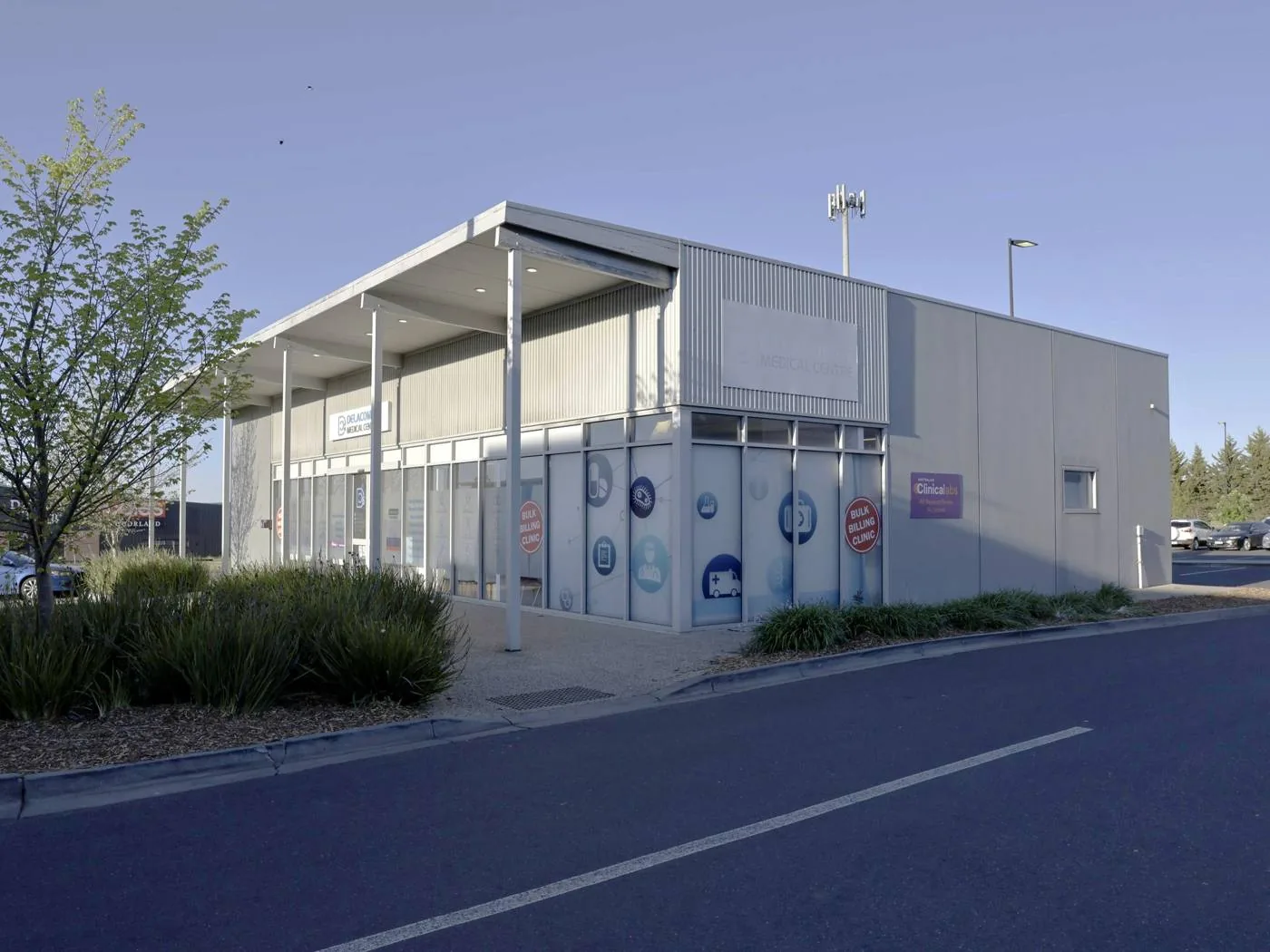
Before thunderstorm asthma season in Ballarat, book an asthma review with a GP in Delacombe to update your action plan and check your preventer and reliever. Asthma and COPD care.
Frequently asked questions
Yes. People with hay fever, especially springtime hay fever, can experience severe asthma symptoms during a thunderstorm asthma event even if they’ve never had asthma.
During grass pollen season, the forecast is available on the VicEmergency website and app.
Some people benefit from a preventer during pollen season. This depends on your asthma history, so discuss it with your GP.
Sources and further reading
This article is general health information and is not a substitute for personalised medical advice. Information is current as at November 2026 and may change. Always speak with your GP about your own health. In an emergency, call 000.
Talk to a GP about your health
Bulk billed for eligible patients with a valid Medicare card. Open seven days at Delacombe Town Centre.