
UV doesn’t feel hot
Ballarat is known for its cooler weather, but ultraviolet (UV) radiation can’t be seen or felt. A mild, breezy day can still have a high UV index, particularly from spring through early autumn. Australia has one of the highest rates of skin cancer in the world, and most skin cancers are linked to UV exposure.
Five ways to protect your skin
When the UV index is 3 or above, use a combination of sun protection:
- Slip on sun-protective clothing that covers as much skin as possible.
- Slop on SPF 30 or higher broad-spectrum, water-resistant sunscreen. Apply it 20 minutes before going outside and reapply every two hours.
- Slap on a broad-brimmed hat that shades your face, ears and neck.
- Seek shade.
- Slide on sunglasses that meet the Australian Standard.
Check the daily UV index on the free SunSmart app or the Bureau of Meteorology website before heading out to sport, the lake or the garden.
Protecting children
Sunburn in childhood increases the risk of skin cancer later in life. Keep babies under 12 months out of direct sun as much as possible, dress children in sun-protective clothing and hats, and make sunscreen part of the school-day routine.
How to check your skin
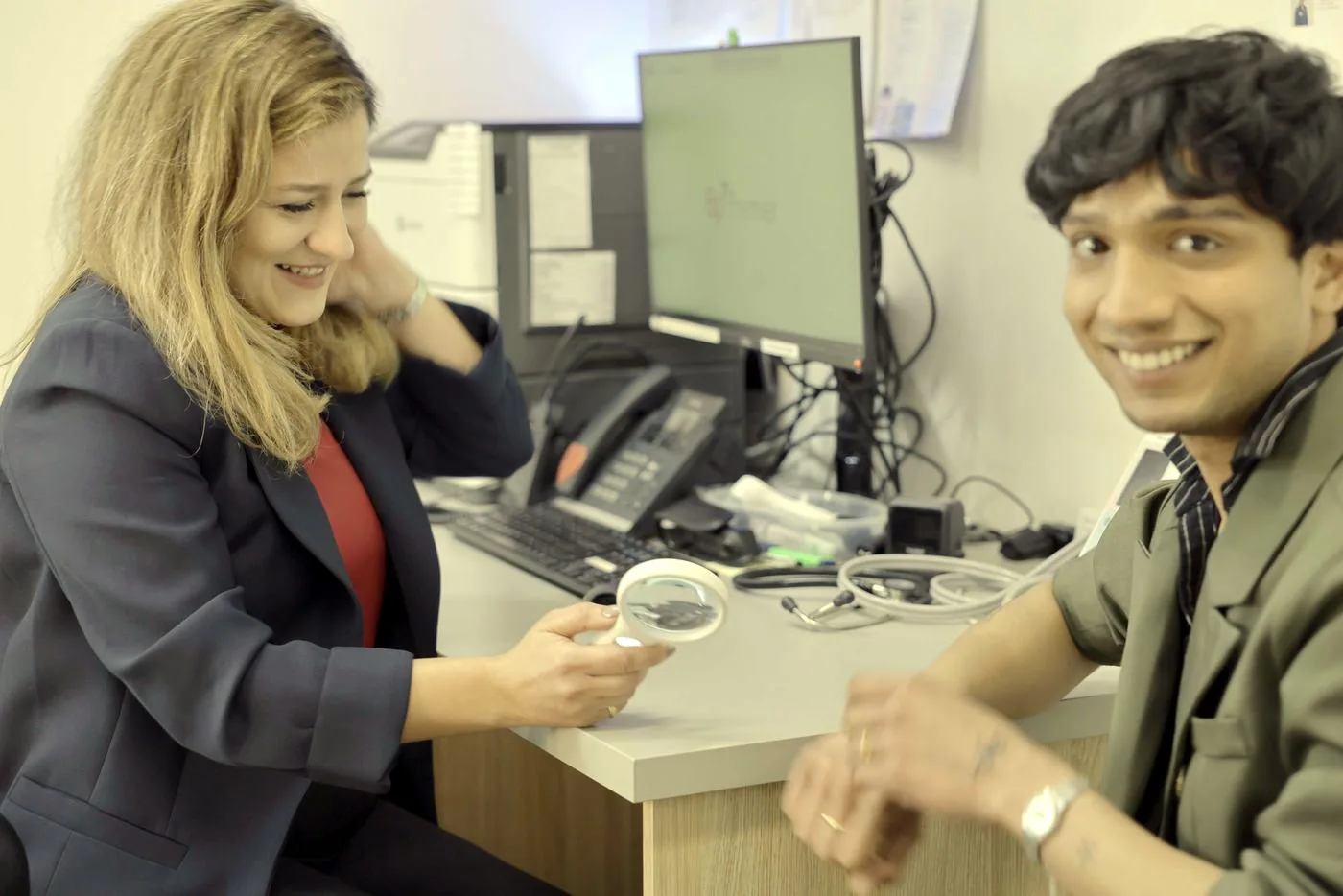
Get to know your skin so you can notice changes. Check all over, including areas that don’t usually see the sun, using a mirror or asking someone to help. Look for:
- a new spot, or a spot that looks different from your other spots
- a spot that changes in size, shape or colour
- a sore that doesn’t heal
- a spot that is itchy, bleeds or becomes raised
When to see your GP
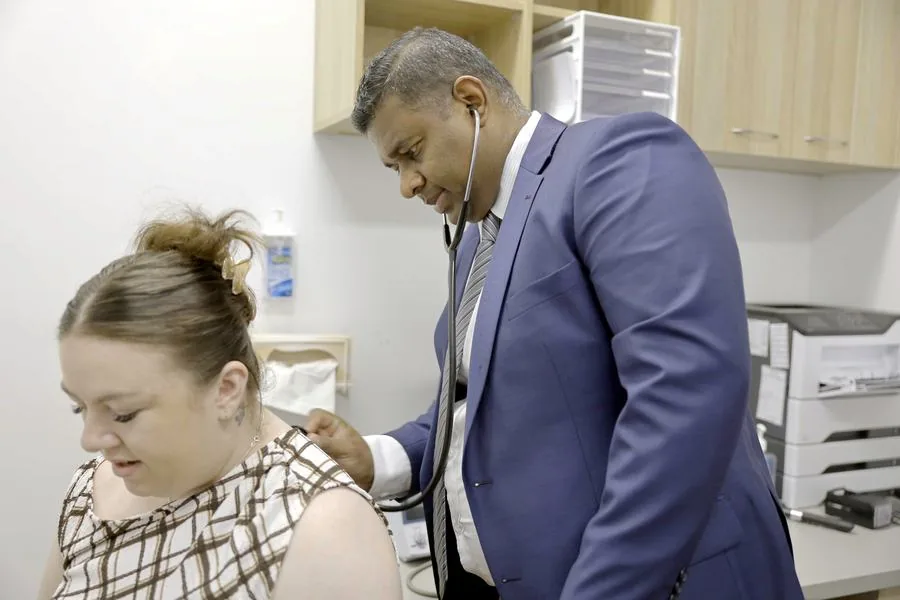
If you notice anything new, changing or unusual, book an appointment with your GP. Your GP can look at the spot, discuss your risk factors such as fair skin, past sunburn, many moles or a family history of melanoma, and talk about next steps. Ask reception about appointment length and any fees when you book.
Types of skin cancer
The three main types of skin cancer are basal cell carcinoma, squamous cell carcinoma and melanoma. Basal and squamous cell carcinomas are more common and are usually found on areas that get a lot of sun, such as the face, ears, neck, scalp, arms and hands. Melanoma is less common but more serious, and can appear anywhere on the body, including places that don’t see the sun. Finding skin cancers early generally makes them easier to treat.
The ABCD guide for spots
When looking at a mole or spot, the ABCD guide can help you notice changes:
- Asymmetry: the two halves look different
- Border: the edge is irregular, notched or blurred
- Colour: there are several colours or the colour is uneven
- Diameter: the spot is growing or getting bigger
Also watch for spots that are Evolving, meaning changing over time. Not every change is cancer, but any change is worth showing your GP.
What about vitamin D?
Vitamin D is important for healthy bones and muscles, and sunlight is the main source. In Ballarat’s cooler months, when the UV index is often below 3, most people need some time outdoors to maintain their levels. Your GP can advise if you’re concerned about vitamin D, especially if you have darker skin, cover your skin for cultural reasons or spend most of your time indoors.
Outdoor workers and sport
People who work or play sport outdoors, such as tradies, farmers and weekend cricketers, have higher UV exposure. Sun-protective work wear, broad-brimmed hats, sunscreen breaks and seeking shade at lunch all help.
Summer sun safety checklist
- check the UV index each morning
- keep sunscreen in the car, school bag and sports bag
- replace sunscreen past its use-by date
- check your skin regularly and book in about any changes
Frequently asked questions
Cancer Council recommends SPF 30 or higher, broad-spectrum and water-resistant sunscreen, applied generously and reapplied every two hours.
Yes. UV can pass through cloud, so check the UV index rather than the temperature or how sunny it looks.
Get into the habit of checking your skin regularly, so you notice any changes early. Your GP can advise how often suits your risk.
Sources and further reading
This article is general health information and is not a substitute for personalised medical advice. Information is current as at November 2026 and may change. Always speak with your GP about your own health. In an emergency, call 000.
Talk to a GP about your health
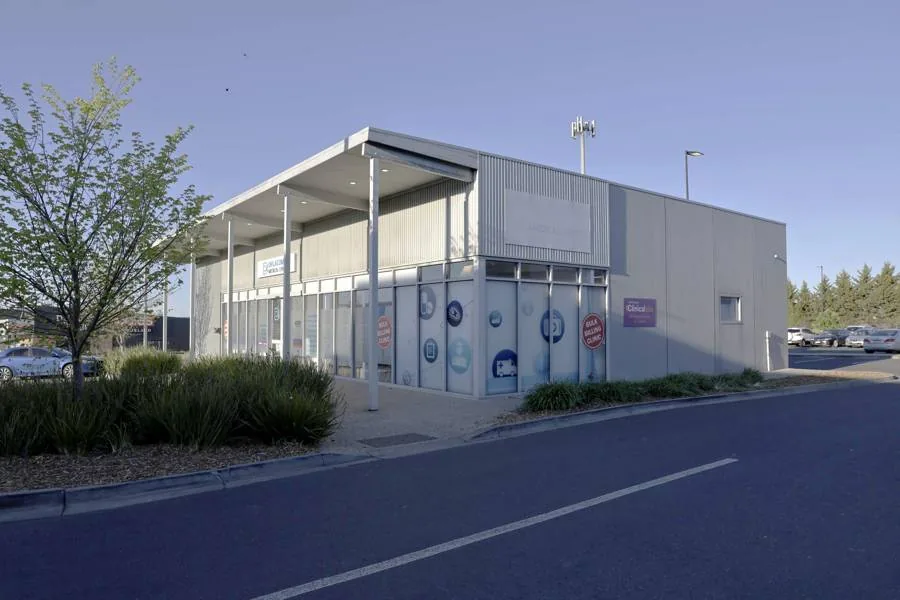
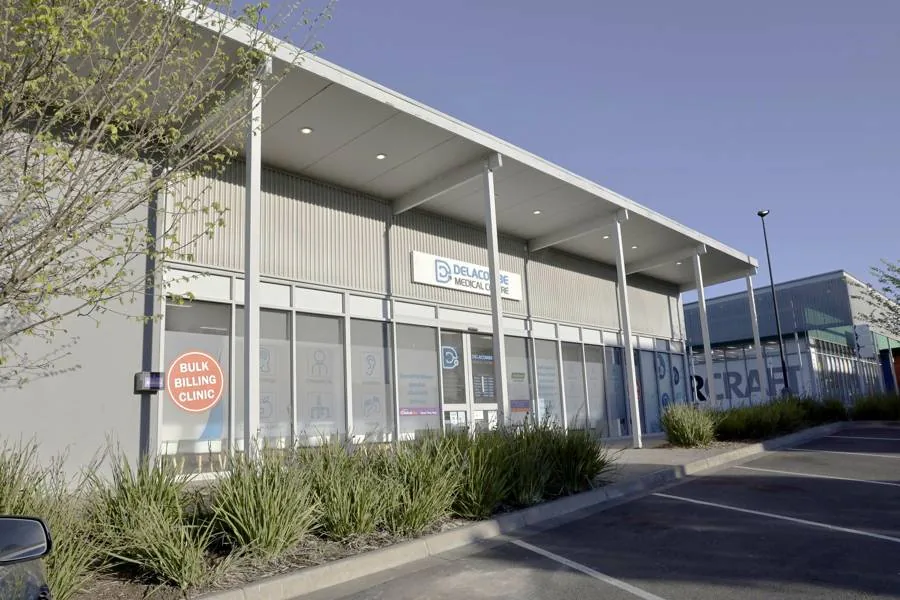
Bulk billed for eligible patients with a valid Medicare card. Open seven days at Delacombe Town Centre.