
Why childhood immunisation matters
Vaccines help your child’s immune system learn to recognise and fight serious infections such as whooping cough (pertussis), measles, meningococcal disease and pneumococcal disease. Keeping to the schedule protects your child at the ages they are most vulnerable, and it also helps protect babies too young to be vaccinated and people who can’t be vaccinated for medical reasons.
The schedule at a glance
Routine vaccines on the National Immunisation Program (NIP) are free for eligible children. The exact vaccines can change, so check the current schedule with your GP, but the key visits are:
- Birth: hepatitis B, usually given in hospital
- 2 months (can be given from 6 weeks)
- 4 months
- 6 months
- 12 months
- 18 months
- 4 years
Annual flu vaccination is also free under the NIP for children aged 6 months to under 5 years. Some children, including Aboriginal and Torres Strait Islander children and children with certain medical conditions, are eligible for additional vaccines.
Protecting babies from RSV
Respiratory syncytial virus (RSV) is a common cause of bronchiolitis in babies. There are two ways to protect infants. A maternal RSV vaccine is available free under the NIP during pregnancy, which passes protection to the baby. Victoria also runs a seasonal infant RSV immunisation program for eligible babies and young children. Your GP or midwife can explain which option suits your family.
What to expect at a vaccination visit
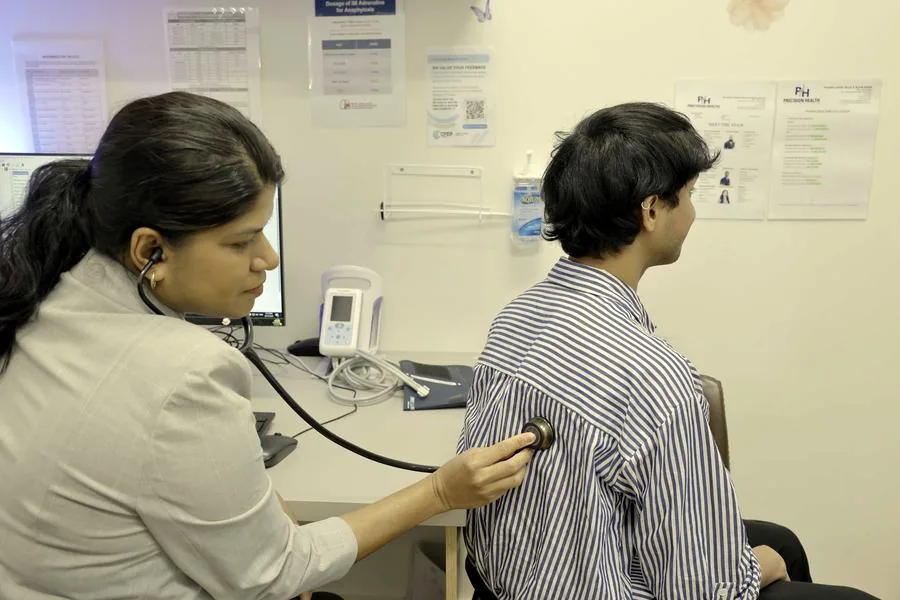
At Delacombe Medical Centre, vaccines are given by our GPs and practice nurses. Your nurse or GP will check your child is well, explain which vaccines are due and record them on the Australian Immunisation Register. Common, mild reactions include a sore or red spot where the needle went in, a mild fever or being a little unsettled for a day or two.
A few tips that can help on the day:
- bring your child’s green book (the Child Health Record) and Medicare card
- feeding or cuddling during and after the needle can comfort babies
- for older children, a favourite toy or a distraction like a video can help
- stay for 15 minutes afterwards so staff can check everything is fine
No Jab No Play and No Jab No Pay
In Victoria, the No Jab No Play law requires children to be fully vaccinated for their age, on a recognised catch-up schedule or have a valid medical exemption to enrol in kindergarten and childcare. Separately, the federal No Jab No Pay policy links some family payments to immunisation status. You can download your child’s Immunisation History Statement from your Medicare online account or the Express Plus Medicare app.
Missed a vaccine? How to catch up
It is common for vaccines to be delayed by illness, travel or a busy few months. Catch-up vaccines are available, and your GP or practice nurse can work out a plan. You don’t usually need to restart the schedule.
How vaccine safety is monitored
All vaccines used in Australia are assessed by the Therapeutic Goods Administration before they are approved, and their safety continues to be monitored after they are in use. Serious reactions are very rare. If you have concerns about a reaction after a vaccine, talk to your GP or nurse, and reactions can be reported to SAEFVIC, Victoria’s vaccine safety service.
Making needles easier for babies and children
- Stay calm and positive. Children often take their cues from their parents.
- For babies, breastfeeding or a bottle feed during or straight after the injection can help.
- For toddlers and older children, try distraction such as bubbles, songs or a video.
- Be honest with older children. Saying it may feel like a quick pinch is better than promising it won’t hurt.
- Praise them afterwards, whatever happened.
Caring for your child after vaccination
Mild side effects usually settle within a day or two. Offer extra fluids and cuddles, dress your child lightly if they feel warm, and place a cool cloth on the injection site if it is sore. Your GP or pharmacist can advise on paracetamol if needed. Seek medical advice if your child seems very unwell, has a high fever that doesn’t settle, or if you are worried.
Childhood vaccinations in Delacombe
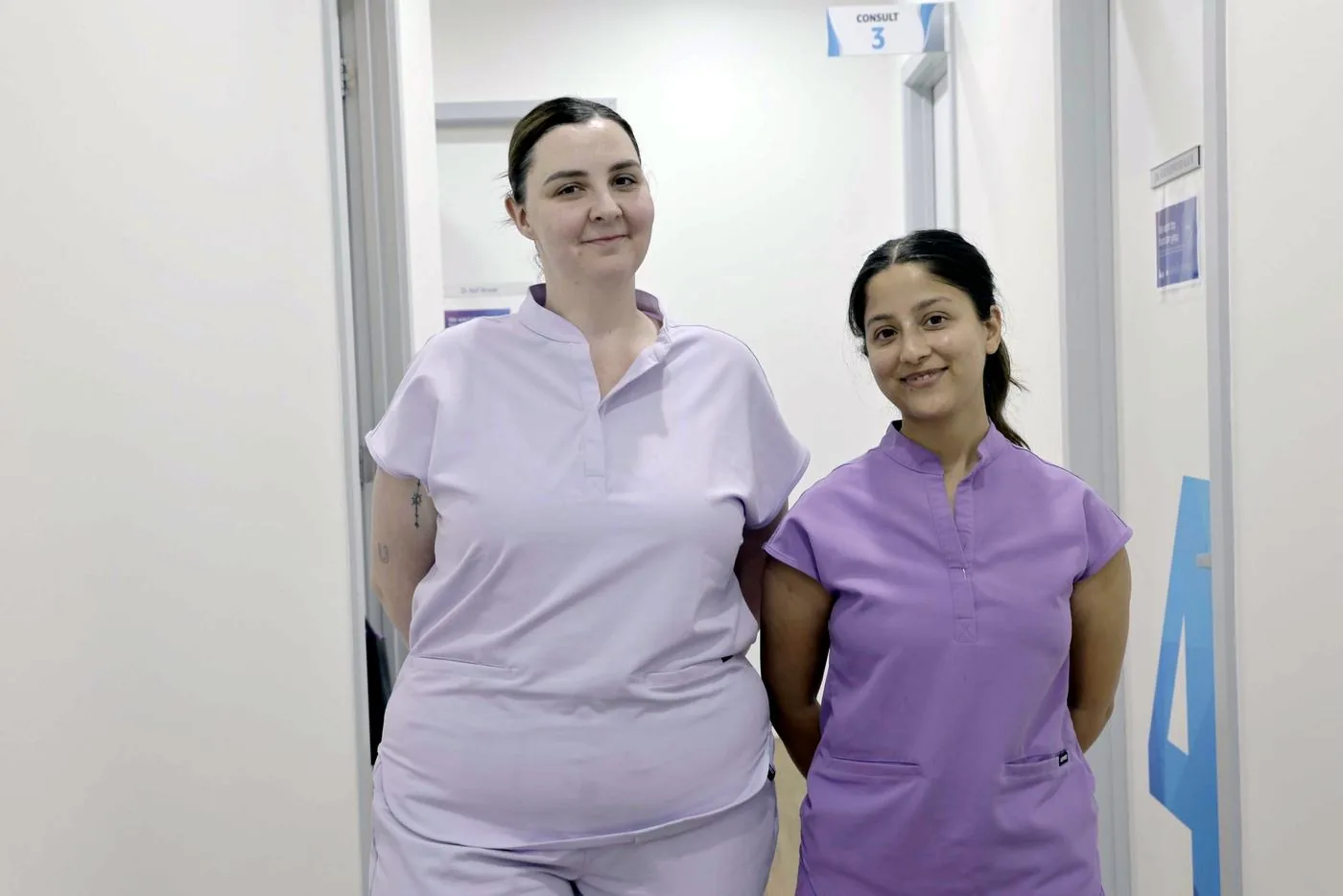
Many young families in Delacombe, Winter Valley, Bonshaw and Lucas are juggling work, kinder and new babies. Booking vaccination appointments ahead, including on weekends, can make it easier to stay on schedule. Our practice nurses Sam and Ritu work alongside our GPs to give childhood immunisations. Bring your child’s green book and Medicare card to each visit.
Staying on track
- Set phone reminders for the 2, 4, 6, 12 and 18 month and 4 year visits.
- Check your child’s Immunisation History Statement before kindergarten or childcare enrolment.
- Ask about the free flu vaccine each year for children aged 6 months to under 5.
Frequently asked questions
Routine vaccines on the National Immunisation Program are free for eligible children. At a bulk billing practice, eligible patients also have no consultation fee.
A mild cold without a fever usually doesn’t mean vaccines need to be delayed, but check with your GP or nurse on the day.
Download an Immunisation History Statement from your Medicare online account through myGov or the Express Plus Medicare app.
Sources and further reading
This article is general health information and is not a substitute for personalised medical advice. Information is current as at November 2026 and may change. Always speak with your GP about your own health. In an emergency, call 000.
Talk to a GP about your health
Bulk billed for eligible patients with a valid Medicare card. Open seven days at Delacombe Town Centre.